Season 1
Soundtrack
The opening of Ikoku Nikki is quite nice. It gives off this casual vibe that a slice of life anime with themes complicated themes very well. The song is really nice, and the animation is really nice, too. The animation is very simple, but it fits the tone of the show perfectly. It's not flashy or anything, but it's really good at setting the mood for the show. I really like it. More than that, I especially liked the scene where the main character sings the opening song. It's a really nice scene that shows how much she loves singing, and it's really cute.
After listening to the full credits song, I now realize that Ikoku Nikki has peak opening and credits songs. The credits song is so funky in a Vulfpeck way. I haven't really heard anything like it from Japanese music. It's so nice. The best part isn't even played in the credits, though.
Other than that, the final credits song, Upon You is also a really nice song. It's a really nice upbeat song that fits the tone of the ending perfectly. It's really catchy, and I find myself humming it a lot. It's a really nice song that I highly recommend listening to.
I also enjoyed the backing tracks. Sometimes they're ever present in a gentle way. The way the soundtrack is used with so much intent is really nice. It just makes the moments without the soundtrack so much better.
Thoughts
Ikoku Nikki is an anime that portrays the daily lives of people really well. The interesting moments felt fun, while the boring moments felt dull. You really feel the emotions in the interesting scenes, while also feeling almost nothing in the boring scenes. It's like a portrayal of real life, where you only really remember the interesting moments, even if the boring moments are what really move your life.
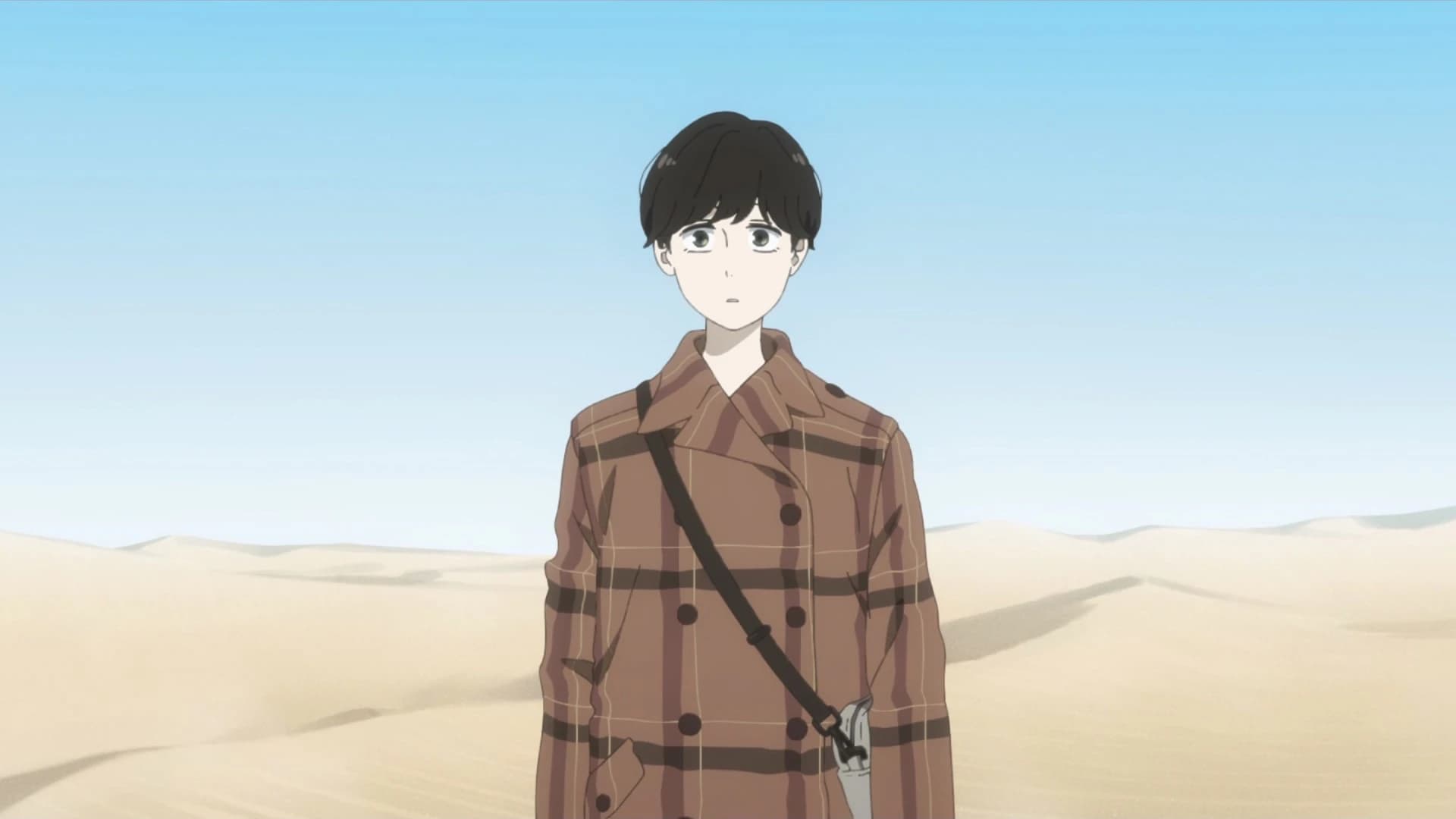
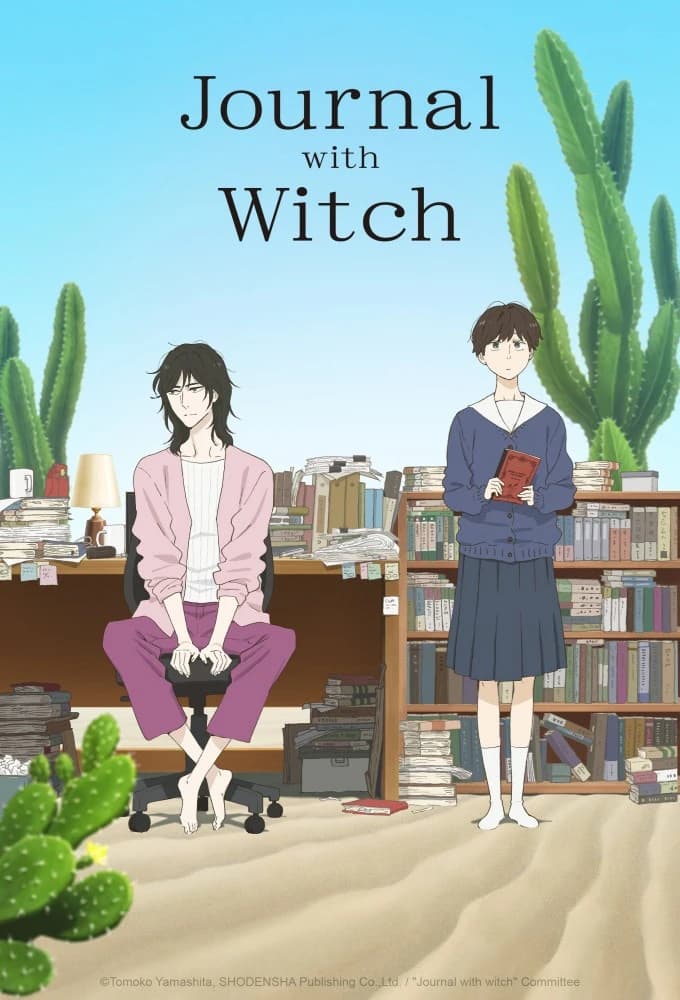
I really enjoyed the portrayal of Asa's struggles, both inter and intrapersonal ones. First and foremost, I really enjoyed the depiction of Asa's struggles as being lost in a desert, then developing that theme into an oasis as an analogy for her loneliness. It's a very creative writing tool that is exactly what a young high schooler would've thought of in their head. The struggles themselves are themselves incredibly realistic, too. Of course, there's the problem of dealing with grief over her parents' death, then there's also the problem of understanding adults, then her mother's journal, then her singing debut, and so on. It's so incredibly relatable. Each and every one of these problems are tackled by Asa exactly how a real high schooler would do it. They need support, and that's getting into the true message of this anime. Moreover, I really liked Asa's growing relationship with Makio. It's a very unique relationship between a flawed woman and a broken child. You get to see so many moments of not necessarily understanding, but acceptance between them. Makio doesn't fully understand how Asa feels, and Asa never really understands Makio's struggles or her advice. Yet, the two of them innately understand how important it is that they care for each other. It's really one of the most captivating relationships in anime right now.
The adults in this anime are depicted brilliantly well. It's clear to me just from a sentence of dialogue that each adult is, well, an adult. To be more specific, I enjoyed the portrayal of the lawyer (I forgot his name) as someone close to the Kodai family; it's important to see how unconditional his support is for Asa. Makio's friend group is also really well portrayed. It is so nice to see a group of friends from high school in their adult years that is still together. Their dynamic together is great and makes for so many good moments both in flashbacks and in the present time. Other than that, I also really like Kasamachi's performance. He's clearly a hurt man that has gone through the many troubles of life, including his breakup with Makio. Yet, he still chooses to be the man he wants to be, someone who can be there for the people he loves. It's commendable. More than that, I also enjoyed seeing his and Makio's relationship grow. They are really made for each other, those "going against the grain".
I omitted Makio in the previous paragraph because I'd like to talk about her in her own paragraph. She really is one of the best written characters in anime. First and foremost, her relationship with her family is such a complex one. Despite how she acts, it's very clear to me by the end of the story that she cares about and loves her family, including her dead sister. The dynamic is so well written. I especially liked seeing the verbal abuse between her and her sister; it is 100% what two siblings would've acted like in their teenage years. Moreover, I really liked the inglorious portrayal of the adult life. She spends 90% of her time indoors just for work, which sounds miserable, but at the same time it's her dream job. Her apartment (at first) is messy, her hair is messy, her schedule is messy, and everything else about her is on the edge of failure. Her trailblazing way of life that comes with isolation really does a number on her life. It's so unique and at first unattractive, yet while Makio doesn't completely not care, she accepts and understands it because it's the life that she wants to lead. She's the one who tread the path of becoming a novelist. That's why the people who care for her are attracted to her. She's the one reaching for her dreams; a truly admirable pursuit. Not to mention, her support system, her friends are what really help her cope with it all. Without them, she would be a shut-in.
I think the weakest, yet still strong aspect of this anime is Asa's world of school. Her friends and the people she meets are all interesting. The show even gets into the personal lives of her friends for a couple of scenes each, which I actually really appreciate in a slice of life anime like this. More than that, the plot points surrounding Asa's world are actually quite interesting. There's the one about spreading Asa's parents' death, then the one about standing out, and probably more that I forgot. You might be wondering what makes this aspect of the story weak? I think what makes it weak is how little weight it adds to the story in comparison with everything else. It's hard to explain with words, but I didn't really feel how important the school plot points were. I didn't really get how important it is that Asa wasn't seen as the girl with dead parents, nor did I really get how important it is that Asa did or did not stand out. I understand why, if I was in her position, I would want those things, but it's hard to relate those things to Asa herself. Like, sometimes she acts so out of character when she's in her world. Maybe that's how it's supposed to be, like a portrayal of a weird high school code switching life? It's tough to explain this clearly, so I'll leave it at that.
Another thing I like about this show is its maturity, both in dialogue and in the depictions of its themes. For example, I really enjoyed the scene where Makio couldn't take any more of the talk she was hearing at the funeral party. She really understood why Asa was zoning out. It wasn't just disrespectful, but also insulting to talk about a dead person's life in a horrible way. Then, there are also the many scenes between Makio and Asa. Each and every one of them treats a wound or two in Makio and/or Asa. You really feel it in the moment. My favorite, though is when they are talking about feeling sad for Asa's parents' death. Makio, understandably, hates her sister, so she doesn't feel sad. I really respect her decision, though, to not tell Asa why she hates her sister because she doesn't want to tarnish her memories. Asa, on the other hand, knows she feels sad. Yet, she doesn't cry at first. I really resonate with that a lot. Asa unconsciously copes and deals with the grief in her dreams; that's why she sleeps so much. She doesn't cry until the final few episodes, I think.
But what about the themes and such of this anime? I think Ikoku Nikki touches on a lot of topics, like death, standing out, adolescence, and more. I could go on and on about each of them, but the show does it better than me in that aspect. Instead, I'd like to talk about the core overarching theme of the show. In my opinion, at its core, Ikoku Nikki is about finding one's self. At the start, it's about Asa learning to live without her parents' guidance, having to make her own decisions. Then, in the second half of the show, it goes on and on about how even if we make our own decisions, we still have to be smart and pick the right ones to stay true to the person that we want to be. Combine it all and you get the true message of Ikoku Nikki: to be yourself regardless of what anyone might say against you. Against the slings and arrows of outrageous fortune, you must stay true. Not because someone told you so, but because you owe it to your future self.
Overall, Ikoku Nikki is a special anime that couldn't have been written by just anyone. Even the first episode made me cry. It's written with so much maturity and respect. I really felt how the author must've felt when writing it. It's a 10/10 Mid-Gem anime.